Reactive Dog Training in Madison, WI
Calm the Chaos. Walk Your Dog With Confidence Again.
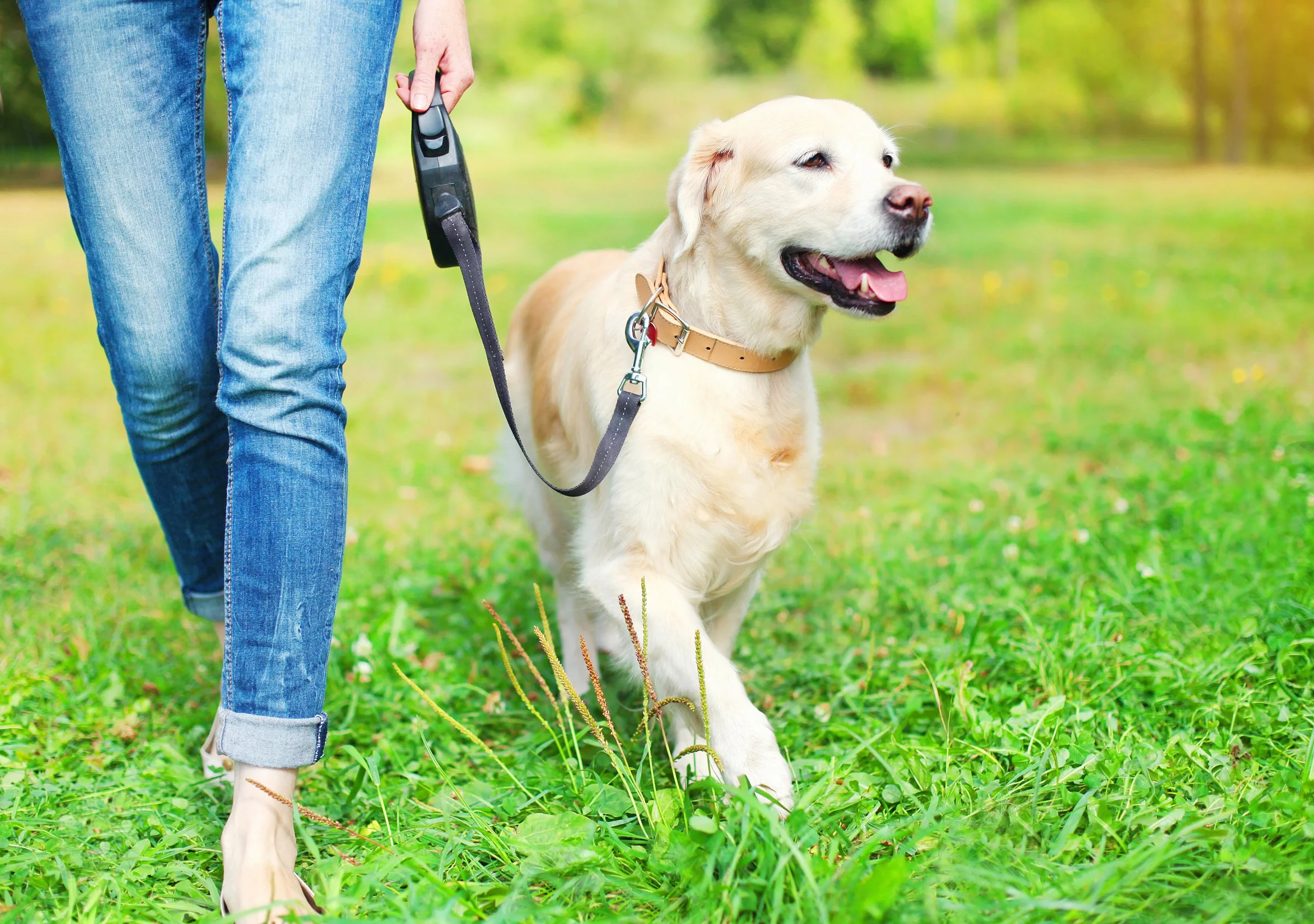
The barking. The lunging. The constant tension on the leash.
Avoiding walks? Scanning for triggers?
It’s exhausting — and it can steal your joy.
But it doesn’t have to stay this way.

Common Reactive Behaviors
Pulling, barking and lunging on walks
Overreacting to sounds, movement, or visitors at home — constant “high alert”
It appears like your dog is aggressive but that might not be the case.
Your response might be…
Feeling anxious or on edge every time you take your dog out?
Avoiding situations or triggers to prevent a reaction
Disappointment that you cannot take your dog to dog-friendly places
Let’s change this — together.
Our Approach
At Forging Bonds, we don’t just manage reactions. We help dogs learn how to stay calm and respond differently in your environment.
Reactivity isn’t just a behavior problem — it’s often a lack of clear leadership and direction.
Your dog isn’t necessarily aggressive.
He is stepping into a role he feels responsible for — watching, reacting, and trying to manage what’s happening around him.
That’s exhausting for him — and frustrating for you.
Our job is to shift that dynamic.
We help you step into a clear leadership role by:
👉 Leading the walk, not reacting to it
👉 Creating structure in your daily life
👉 Setting the tone with calm, steady energy and confidence
Because your dog is always paying attention.
He picks up on your emotions and energy.
How you respond to the world around you.
If you’re on high alert, he’s on high alert.
When you become calm, confident and consistent, your dog no longer feels the need to take over.
From there, we build the right way:
👉 Start in a low-distraction environment
👉 Build clarity and consistency
👉 Gradually add challenges
This allows your dog to succeed without being pushed past their threshold.
Many training methods rely on treats to manage behavior in the moment.
But when the distraction is too high—or the food isn’t there—those strategies fail.
We focus on something more lasting: clear leadership, consistent expectations, and a relationship your dog can rely on in any environment.
Why Reactivity Doesn’t Just “Go Away”
Reactive behavior tends to build over time.
The more your dog practices barking, lunging, or overreacting, the more automatic those patterns become.
But underneath that behavior is something deeper: your dog feels responsible for what’s happening around them.
When that’s the case, they stay on high alert — watching, scanning, and ready to react.
Avoiding triggers can help in the short term — but it doesn’t change how your dog sees their role.
Real change happens when that responsibility shifts.
When you lead clearly.
When you show your dog — through calmness and consistency — that you’ve got it handled.
That’s when your dog can finally let go, follow your lead, and start to settle.
In-Home Training in Madison, WI
